001 / Introduction / Overview

Cusco Coffee

The Coffee Project

Welcome! In the next hour, we are going to explore the origins of coffee, why Peruvian altitude makes it delicious, the science of the perfect brew, and how to taste like a professional.
History → Varieties → Regions → Processes → Sensory → Water Science → Grinding Science → Pour Over → Roast Science
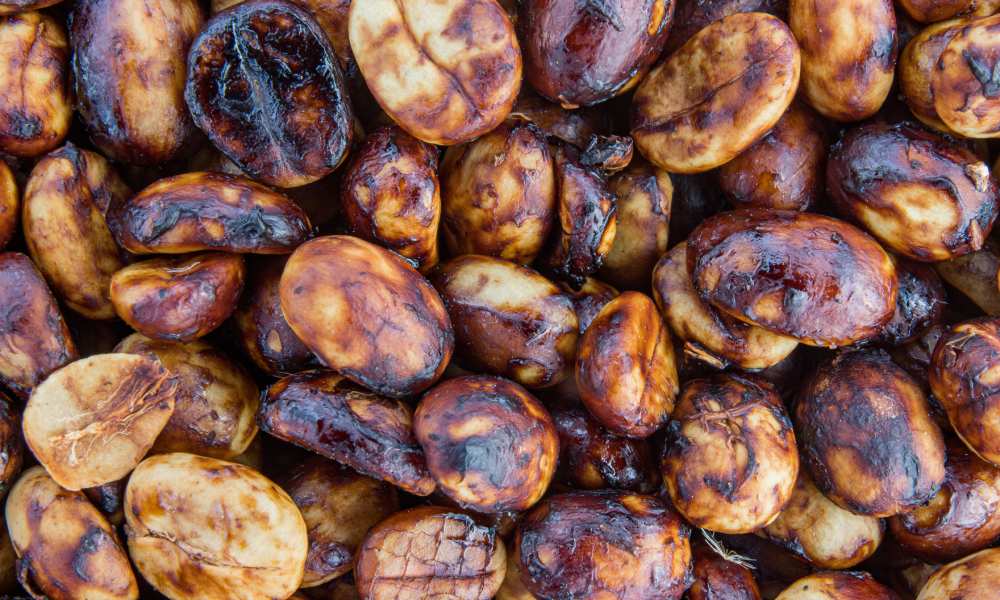
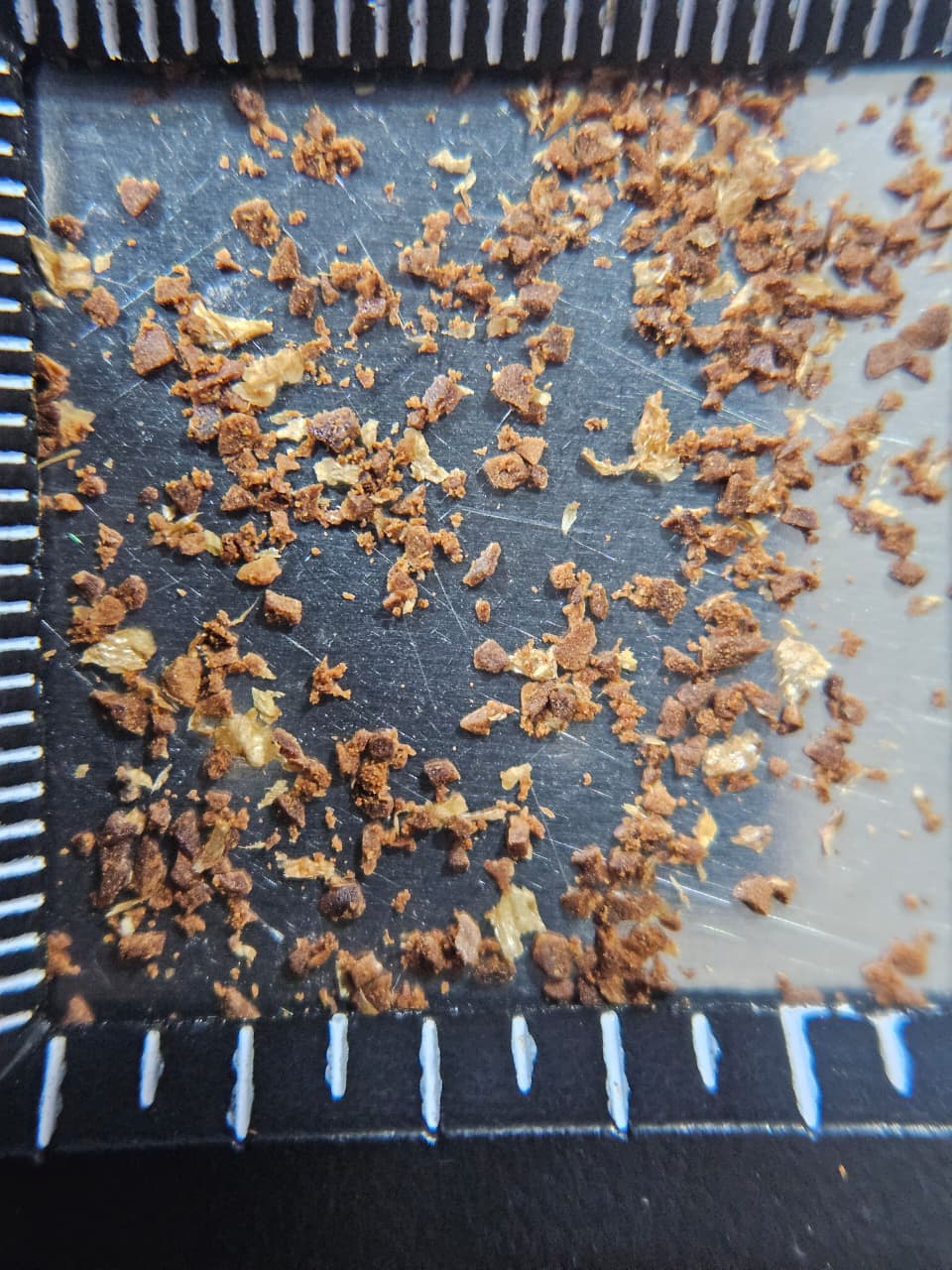
Coffee grinds
FIG. 1

Let's Chat:

  • Who drank coffee this week? •
  • What kind of coffee did you drink? Do you know if it was Bourbon? Geisha? •
  • Where is everyone visiting us from today? •
  • What is your relationship to coffee? •
002 / Educational Guide & Anatomy / Timeline

The Journey of the Bean

Legend says Kaldi the goat herder discovers coffee in Ethiopia.

850 AD

15th Century

Cultivation begins in Yemen. Coffee houses spread across the Arab world.

Seeds spread globally. Typica to the Americas, Bourbon to Reunion Island.

1700s

003 / Educational Guide & Anatomy / Roots & Regions
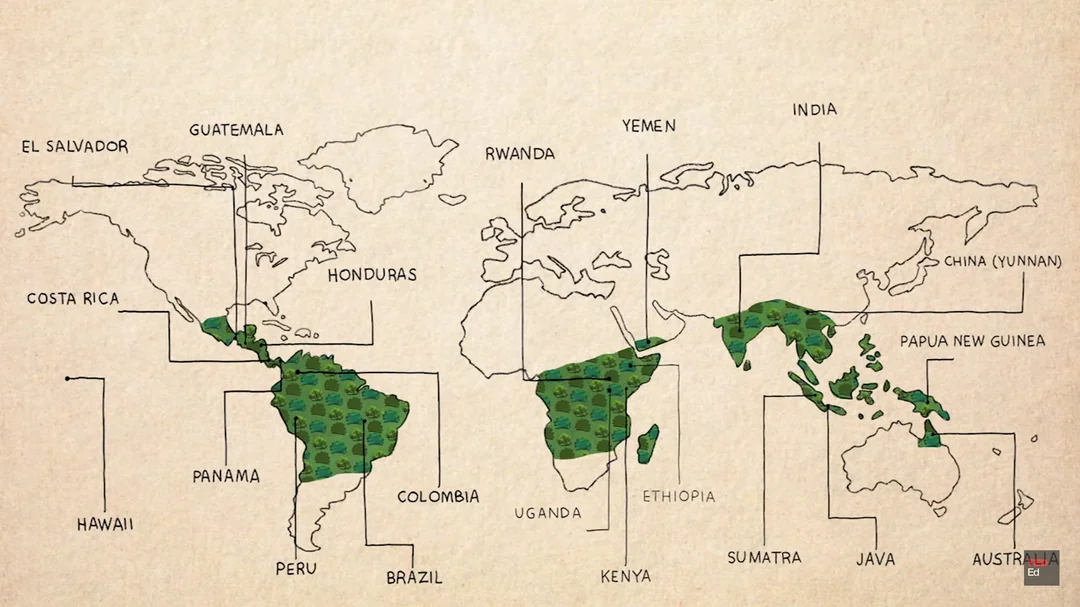
FIG. 2
World Map

Word Bank

KALDI
ETHIOPIA
YEMEN
BRAZIL
VIETNAM
01.

Legend says a goat herder named discovered coffee when his goats ate wild berries in .

02.

The beans crossed the Red Sea, and the first organized cultivation began in around the 15th century.

03.

Today, is the world's #1 producer by volume, followed closely by .

004 / Educational Guide & Anatomy / Coffee Species

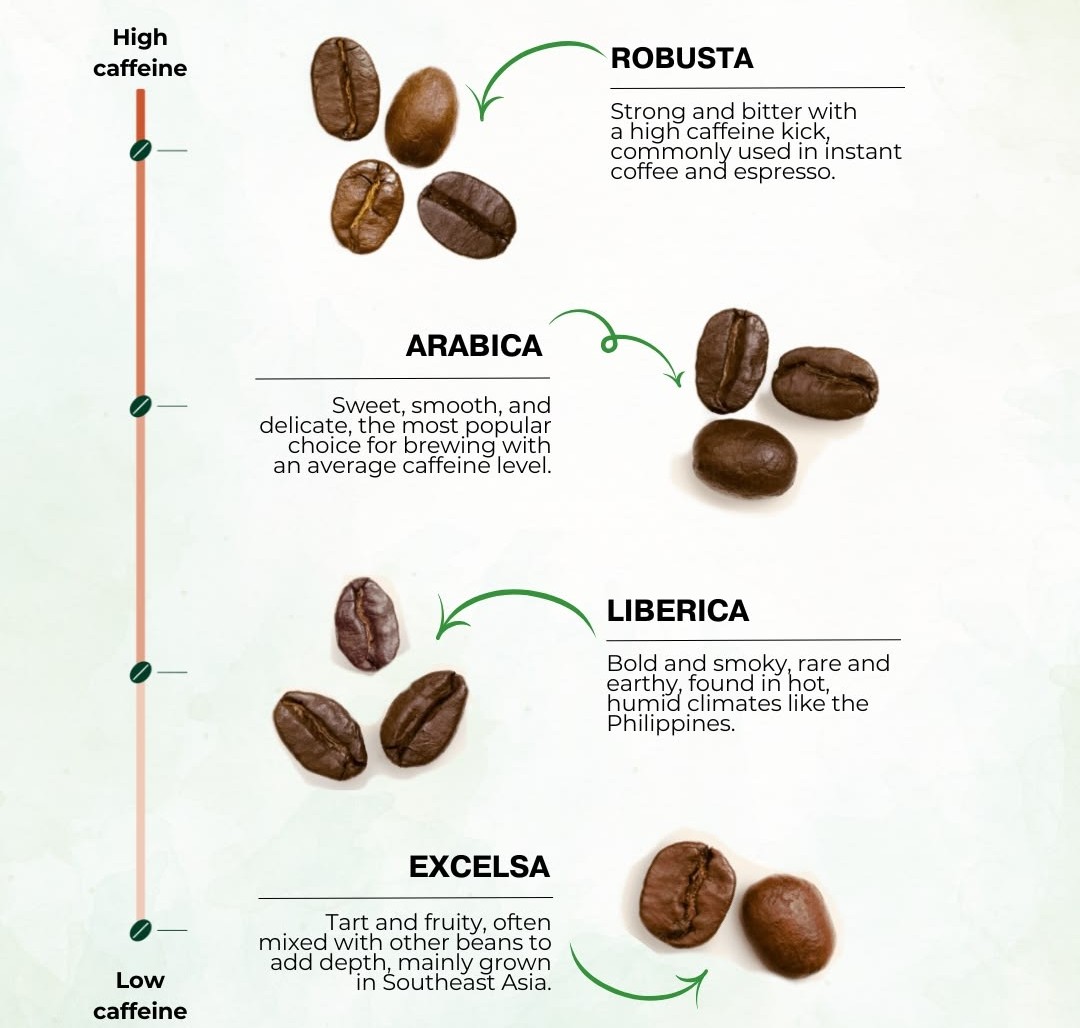
Four different beans

Four different beans

Specialty vs Commodity

While there are over 120 species of coffee, the commercial market is dominated by just two: Arabica and Robusta.

ARABICA

The exclusive choice for Specialty Coffee. Grown at higher altitudes, it offers complex acidity, sweetness, and delicate floral or fruity notes. It accounts for about 60% of global production.

ROBUSTA

Hardier, more disease-resistant, and packs nearly double the caffeine. Its harsh, bitter, and rubbery flavor profile relegates it primarily to instant coffee and cheaper commodity blends.

Species like Liberica and Excelsa are incredibly rare, making up less than 2% of global production, and are mostly consumed locally in Southeast Asia.

005 / Educational Guide & Anatomy / Global Regions

The World's Coffee Zones

Coffee only grows between the Tropics of Cancer and Capricorn (The "Bean Belt").

🌎
LATIN AMERICA
Brazil, Colombia, Peru
🌍
AFRICA
Ethiopia, Kenya, Rwanda
🌏
ASIA-PACIFIC
Vietnam, Indonesia, Sumatra

LATIN AMERICA

General Flavor Profile

Familiar and approachable. Known for chocolate, nuts, and caramel notes. Often balanced with a mild acidity.

Key Fact

Produces the majority of the world's Arabica coffee.

Key Varieties

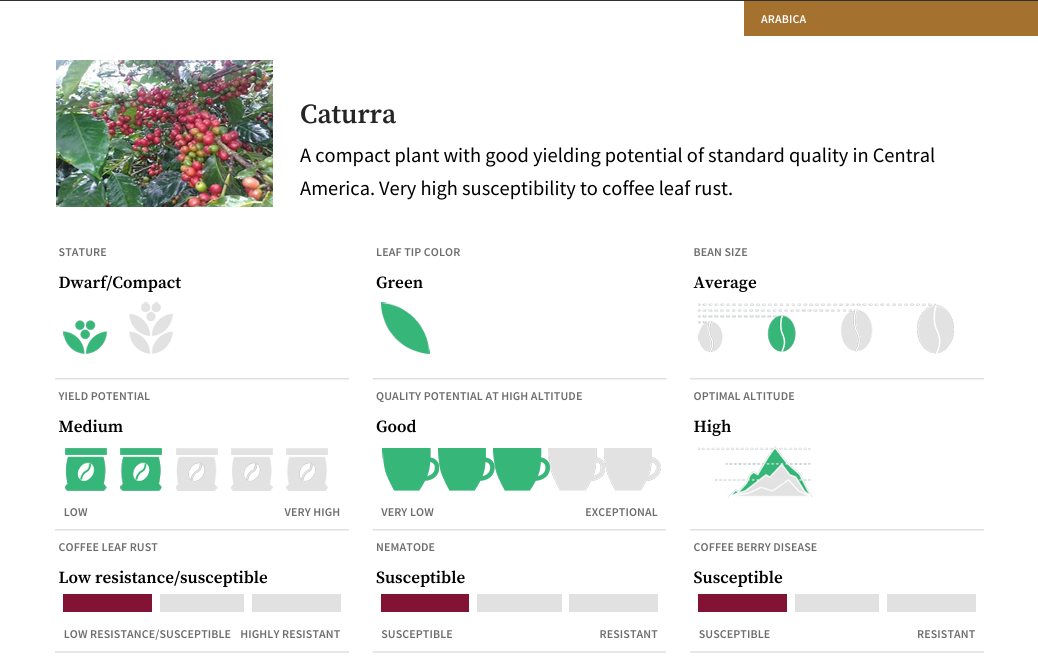
Bourbon, Typica, Caturra, Geisha

FIG. 3
Coffee Growing Regions
006 / Educational Guide & Anatomy / Peru Regions

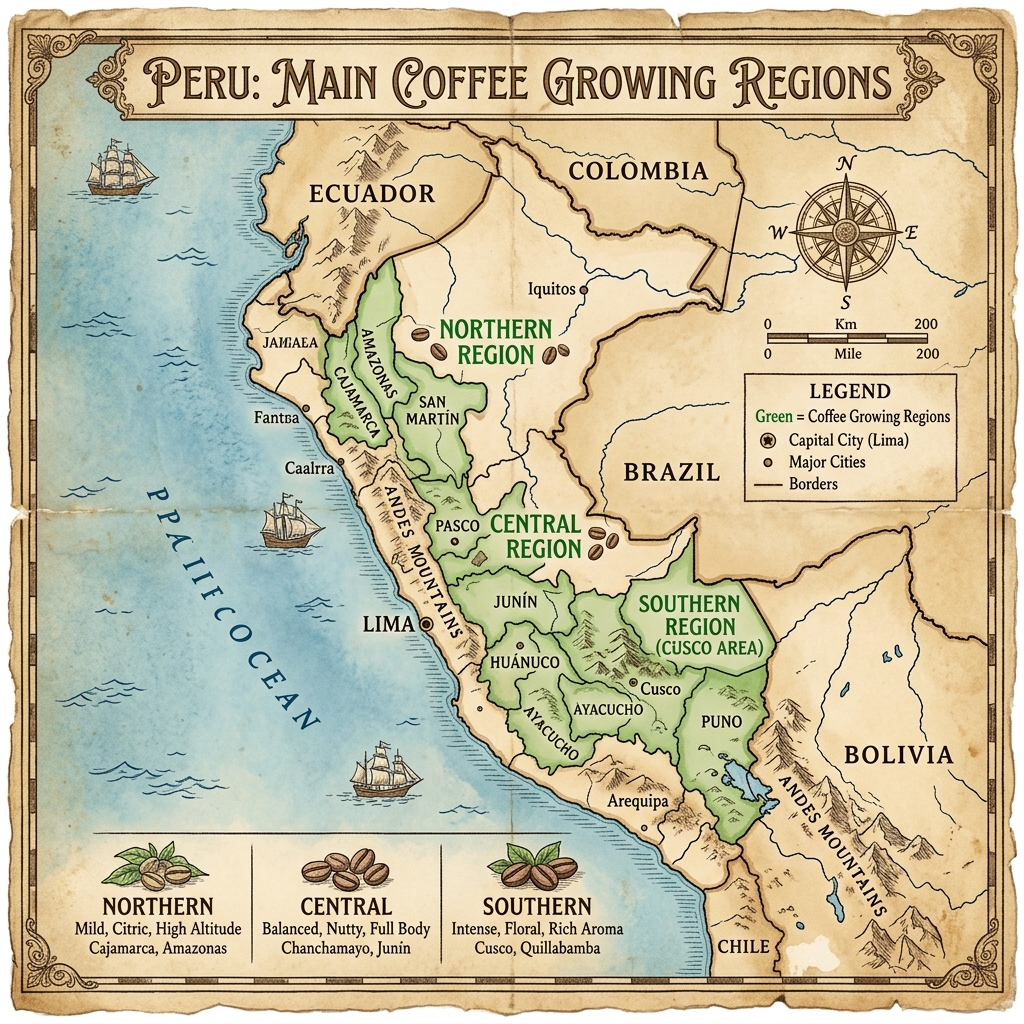
Peru's Coffee Zones

🌿
NORTHERN
Cajamarca, Amazonas
🍫
CENTRAL
Junín, Pasco
🍒
SOUTHERN (CUSCO)
Cusco, Puno

NORTHERN PERU

Temperature & Zones

16°C - 24°C (Cooler, high altitude)

Flavor Profile & Notes

Known for bright acidity and delicate floral notes. Highly sought after in specialty coffee.

Popular Varieties

Typica, Caturra, Bourbon

FIG. 4
SCROLL TO ZOOM
Peru Coffee Regions
007 / Educational Guide & Anatomy / Peru Growing Regions

Coffee Growing Regions

The number of coffee-growing regions in Peru is consistently expanding. With more cooperatives and Peruvian coffee exporting companies emerging, the number of organic and fair trade Fincas is consistently growing as well.

Amazonas
Cajamarca
Cusco
Pasco
Junin
San Martin
Puno

Amazonas

ALT: 1,200m - 1,800m
TEMP: 16°C - 23°C

The Amazon jungle region is often the most disregarded Peruvian coffee-growing area of Peru. However, coffee from Rodrigues de Mendoza and Chachapoyas provinces provides stellar organic coffees with notes of chocolate and velvety fruits.

FIG. 5
Peru Coffee Regions
008 / Educational Guide & Anatomy
/

Altitude & The Bean

The High Altitude Profile

At higher elevations (1,500m+), the cooler nights force the coffee plant to grow more slowly. This extended maturation process creates a denser bean, locking in complex sugars and acids.

Expected Flavor Notes

  • •Bright, sparkling acidity
  • •Vibrant floral aromas
  • •Sweet fruit notes

Varieties That Thrive

Certain coffee varieties are genetically predisposed to perform best at high altitudes, where they can develop their most prized characteristics.

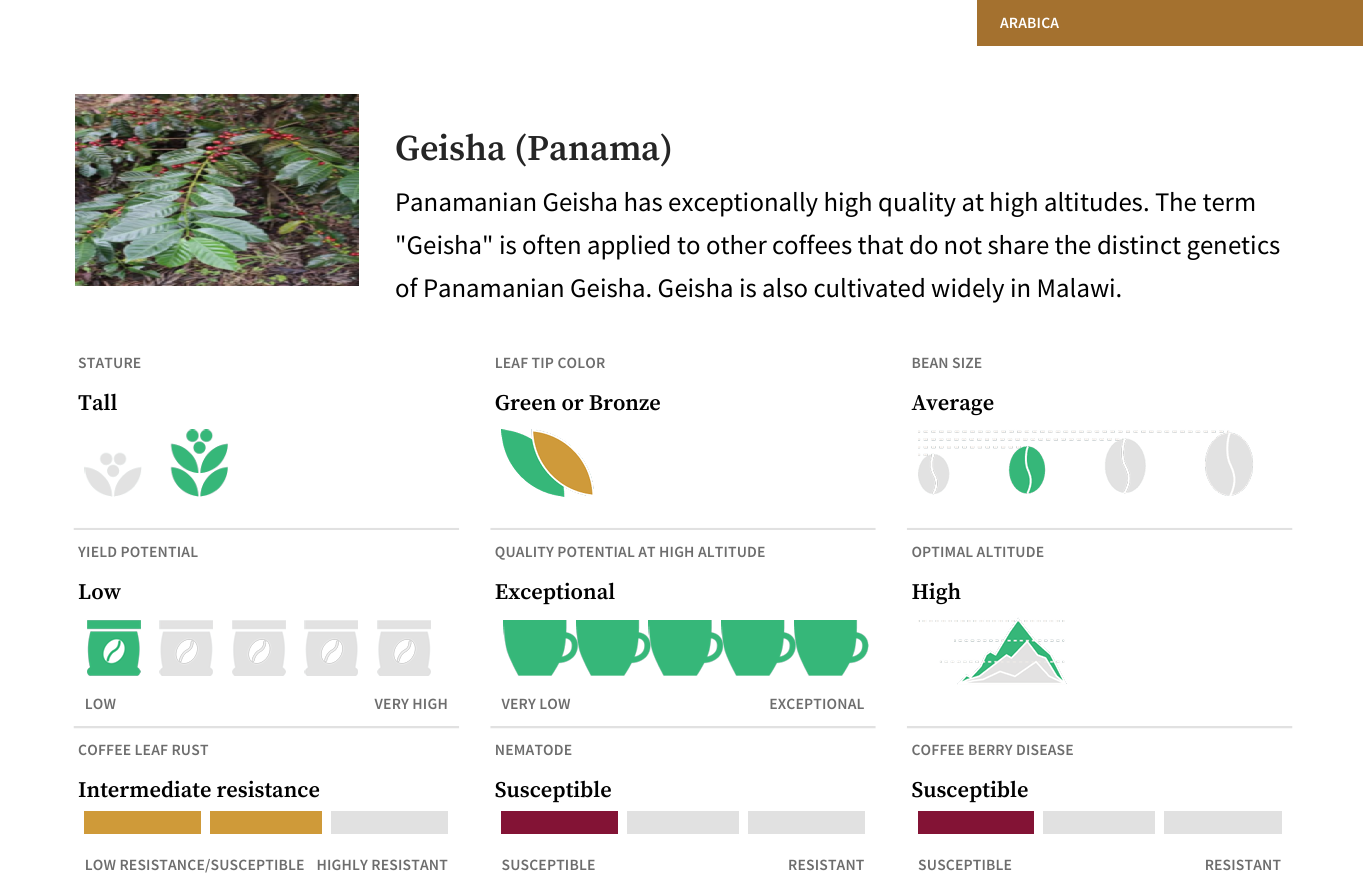
Gesha (Geisha)

World-famous for extraordinary floral and tea-like notes.

Bourbon & Typica

Classic Arabicas that develop brilliant sweetness and complex acidity.

The Science of Denser Beans

High-altitude coffee beans produce more sugar because cooler mountain temperatures slow down the fruit's growth. This longer "ripening" time gives the plant extra time to pack natural sugars and complex nutrients into the cherry. It acts like an autumn tree slowing down to survive the winter.

Cooler Days & Nights

High mountains have very cold nights. To protect itself from the cold, the coffee tree makes extra sugars. Think of this sugar like natural "antifreeze" for the plant.

Slower Growth

Because it is cold, the coffee cherry takes much longer to grow and turn red. This slow pace allows more sugars and flavors to build up inside the bean.

Thinner, Denser Beans

Less oxygen and thinner air at high altitudes make the coffee bean grow very tight and hard. This dense bean locks in all those extra sugars.

009 / Educational Guide & Anatomy / Processing

Fermentation Processes

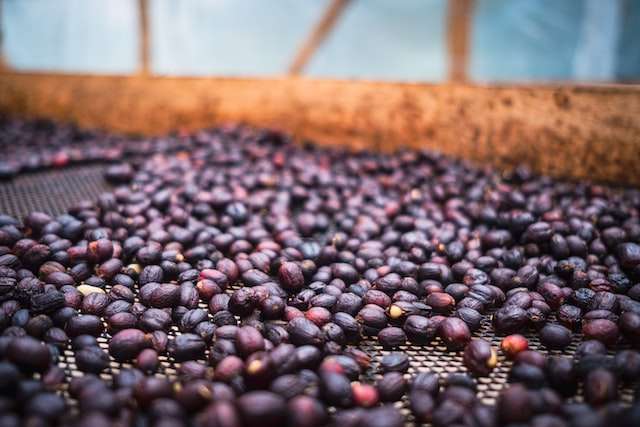
After harvesting, the cherry must be removed from the seed. The method used radically changes the final flavor profile through fermentation.

01

Natural

Natural Process
Flavor Profile Heavy body, sweet, with intense fruity and berry-like flavors (blueberry, strawberry).
02

Washed

Washed Process
Flavor Profile Clean, bright acidity, distinct origin clarity. Highlights the intrinsic flavor of the bean itself.
03

Honey

Honey Process
Flavor Profile Balances washed clarity with natural sweetness. Sweet like a Natural, but with the rounded acidity of a Washed.
010 / Agronomy / The SL09 Mystery

The SL09 Phenomenon

An elite, top-tier cup profile originating right out of Cusco's highest valleys.
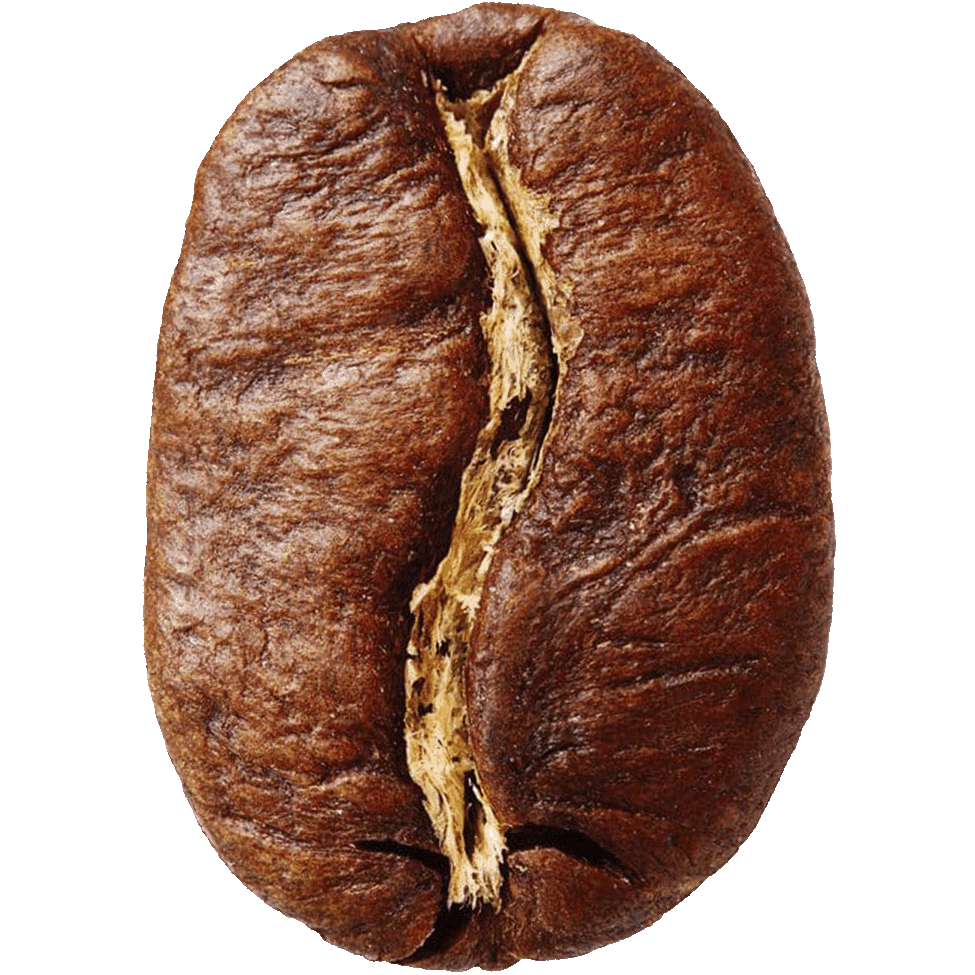
Bean

"INCA GESHA"

For years, farmers in the Inkawasi district of Cusco noticed trees producing an unbelievably complex, sweet, and highly floral cup. Because it tasted heavily of jasmine and bergamot, local producers called it "Inca Gesha", assuming it was a mutation of the famous Geisha varietal.

However, independent World Coffee Research (WCR) genetic testing commissioned by elite roasters shocked the industry. The DNA tests revealed absolutely zero Geisha genetics. Instead, they map directly to SL09, a rare, nearly forgotten single-tree selection from the Ethiopian Legacy lineage developed by Scott Agricultural Laboratories in Kenya during the 1930s.

Bean

TERROIR

Why it thrives in Cusco: While SL09 was largely abandoned in Africa decades ago because it was a "shy bearer" (low yield) and prone to disease, it has found its absolute perfect home in Cusco's extreme geography.

  • ◆Extreme Altitude: Grown exclusively on the highest Andean slopes, typically between 2,000 and 2,400 MASL.
  • ◆Exceptional Terroir: Cusco's unique microclimates, volcanic soil, and glacial snowmelt water provide the exact high-stress environment required to lock in its complex sugars.
Bean

DOMINANCE

"Due to its immense quality, Cusco producers using SL09 regularly place in the top ranks of the global Peru Cup of Excellence (COE) competitions."
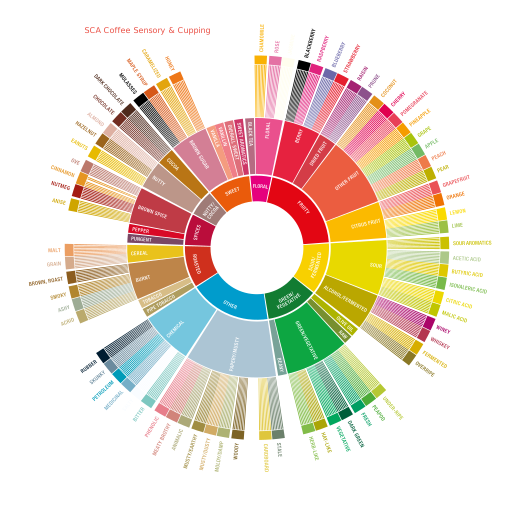
Coffee Flavor Wheel
011 / Sensory / TOOLS

The Flavor Wheel

This tool organizes sensory descriptors to help us communicate the profile of a coffee during a tasting.

How to read it:

Always start from the center and move outward. Start broad, then get specific.

1 Inner Ring (Broad): "Fruity"
2 Middle Ring (Category): "Berry"
3 Outer Ring (Specific): "Blackberry"

Attributes & References

An attribute is the descriptive characteristic (e.g., Fruity). A reference is the real-world food product used to represent that attribute (e.g., Raspberry). The World Coffee Research sensory lexicon helps calibrate tasters to these specific references.

012 / Sensory / Physiology
VIEW FLAVOR WHEEL 🛞

The Physiology of Taste

Flavor is an experience that combines taste, aroma, and mouthfeel.

Sensory evaluation is a scientific method used to analyze coffee through our senses.

01 Basic Tastes

Taste buds identify Sweet, Sour, Salty, Bitter, and Umami. In coffee, acidity (brightness) and bitterness are the most intense.

02 Mouthfeel

Tactile receptors perceive density and texture (e.g., Smooth, Syrupy, Astringent, Watery).

Why Evaluate?

Professionals use this to select growing zones, develop roasting curves, and choose brewing methods to maximize quality.

👃

The Power of Smell

Up to 80% of what we perceive as "flavor" is actually smell!

This is why food tastes bland when you have a cold. The olfactory epithelium processes aromas through two pathways:

1. Orthonasal Olfaction

Perceiving aromas by inhaling directly through the nose (e.g., smelling the dry coffee grounds).

2. Retronasal Olfaction

Perceiving aromas internally as they travel from the back of the mouth up into the nasal cavity when you swallow or exhale.

013 / Brewing / Extraction

The Science of Grinding

Grind size determines water flow and extraction. Sort the outcomes into the correct category.

🪨 COARSE GRIND (Rocks)

Drop coarse traits here

🏖️ FINE GRIND (Sand)

Drop fine traits here
014 / Brewing /

The Science of Water

Coffee is 98% water! Pure distilled water makes flat coffee. You need chemistry.

01

The Magnets

Atoms and molecules in your water are attracted to flavor compounds in the coffee.
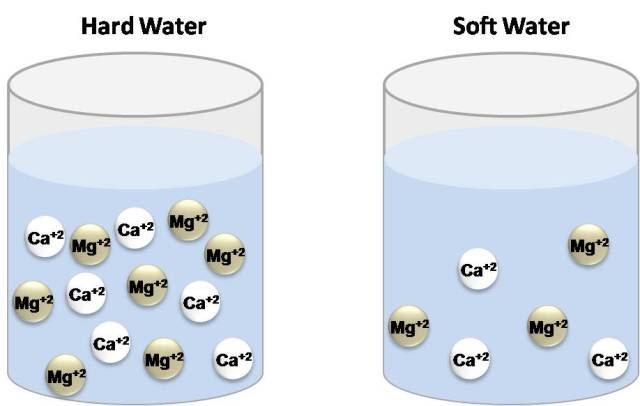
Hard vs Soft Water
Magnesium (Mg²⁺)
Sodium (Na⁺)
Potassium (K⁺)
02

The Balance

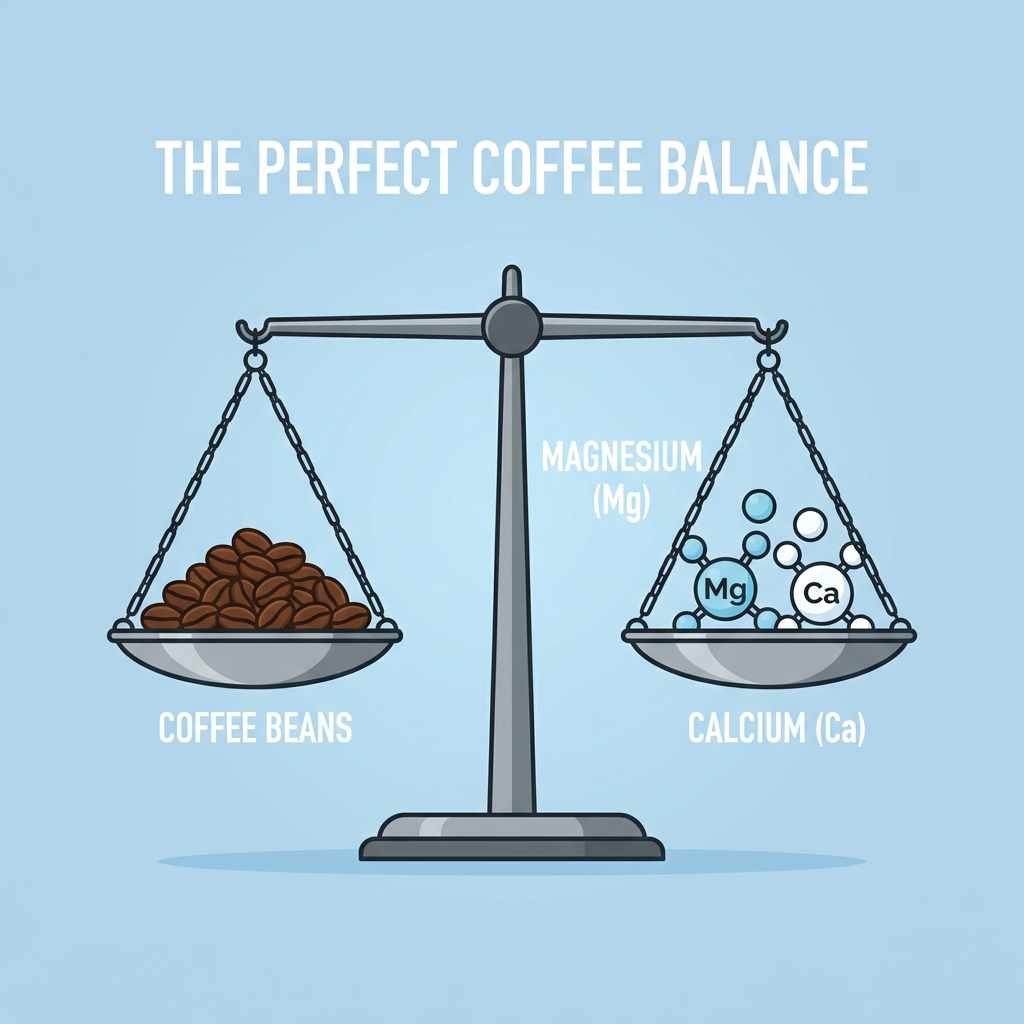
Balancing Act
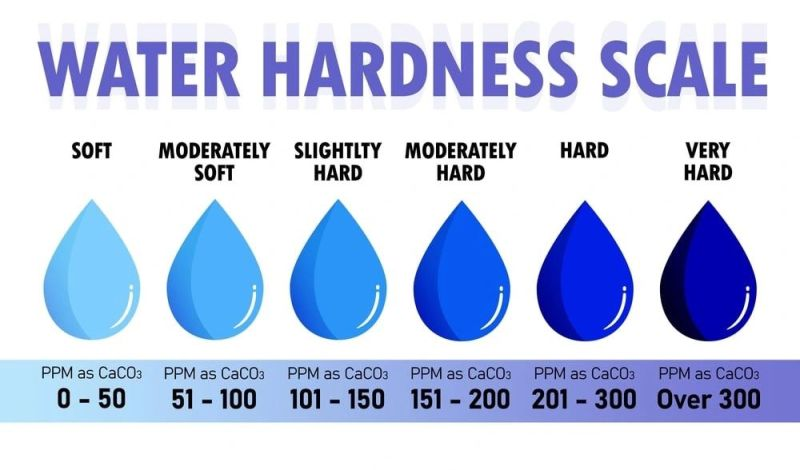
Total Hardness

The amount of minerals (calcium/magnesium) available to extract flavor.

Total Alkalinity

The water's ability to buffer acids. Too much alkalinity = dull coffee. Too little = sour coffee.

03

Altitude & Temp

Boiling Water

Temperature affects extraction speed. Hotter water extracts faster.

Mind-Blowing Fact

At sea level, water boils at 100°C (212°F). But here in Cusco (3,400m), water boils at ~89°C (192°F)!

015 / Brewing / Mechanics

Espresso vs. Pour-Over

Immersion: Coffee steeps entirely in water (e.g. French Press).

Percolation: Water continuously flows through the bed (e.g. Pour-Over, Espresso).

Both methods belong to the percolation family because of one defining rule: fresh water flows through a coffee bed into a separate container. While they use different forces to move the water, the fundamental extraction mechanic is identical.

☕ Espresso

Drop espresso traits here

⚗️ Pour-Over

Drop pour-over traits here
016 / Brewing / V60 Pour Over

The V60 Pour Over

Let's calculate our brew ratio! A standard starting ratio is 1:15 (1 part coffee to 15 parts water).

Recipe Calculator

g
×
1 :
Target Water Weight
225 g 💧

The Recipe Parameters

01 Grind Size

Medium-Fine. Should feel like table salt. If it's too coarse, your coffee will be sour. Too fine, and it will be bitter.

02 Water Temp

Boiling (~90°C). In Calca and the Sacred Valley near Cusco, the high altitude means water boils at a lower temperature. This is actually the perfect brewing temp!

03 Extraction

2:30 - 3:00 Mins. Pour in slow, concentric circles. If your water drains too fast, grind finer next time. If it clogs, grind coarser!

017 / Educational Guide & Anatomy / Roasting

Roast Profiles

Roasting is the critical step that develops the complex flavors within the green bean. The degree of roast greatly affects the final cup.
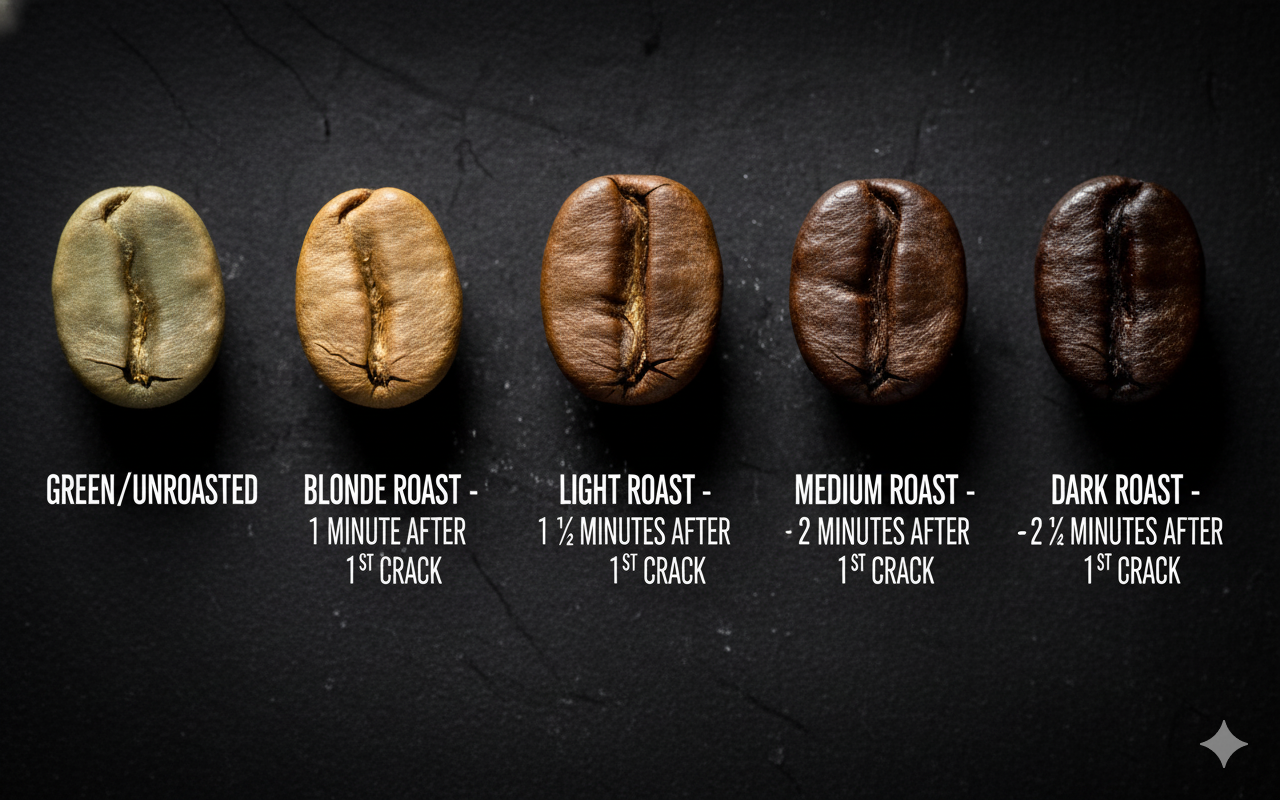
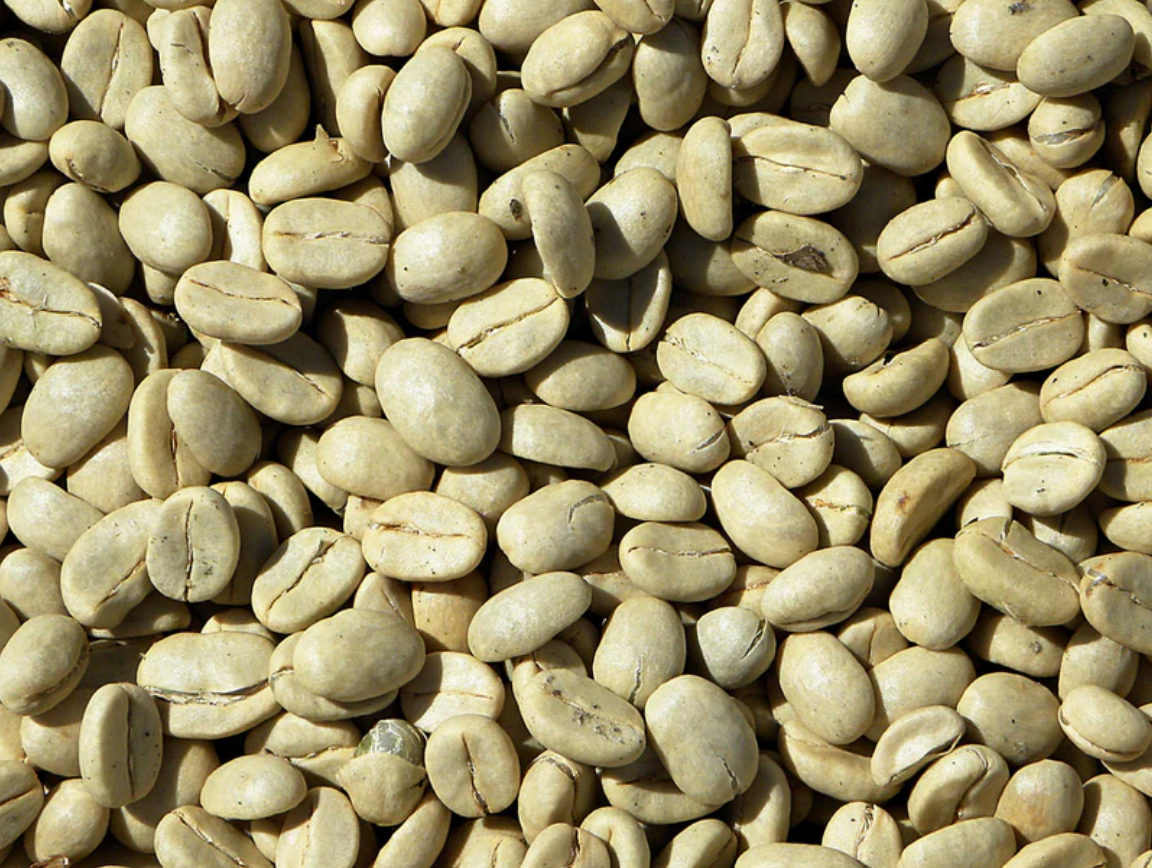
Green / Unroasted

Raw, unroasted coffee seeds. Smells grassy and herbaceous, ready for the roaster.

Light Roast

High acidity, bright, retains origin characteristics. Floral and fruity notes shine.

Medium Roast

Balanced acidity and body. Sweetness is caramelized. Chocolate and nutty flavors.

Dark Roast

Low acidity, heavy body. Roasty, bitter, and smoky flavors dominate the origin.

FIG. 6
Coffee Roast Profiles
018 / Quality Control / Defects

Physical Defects

Green coffee is rigorously sorted before export. Physical defects such as insect damage, fungus, or improper drying directly impact cup quality, often causing sour, moldy, or phenolic off-flavors.
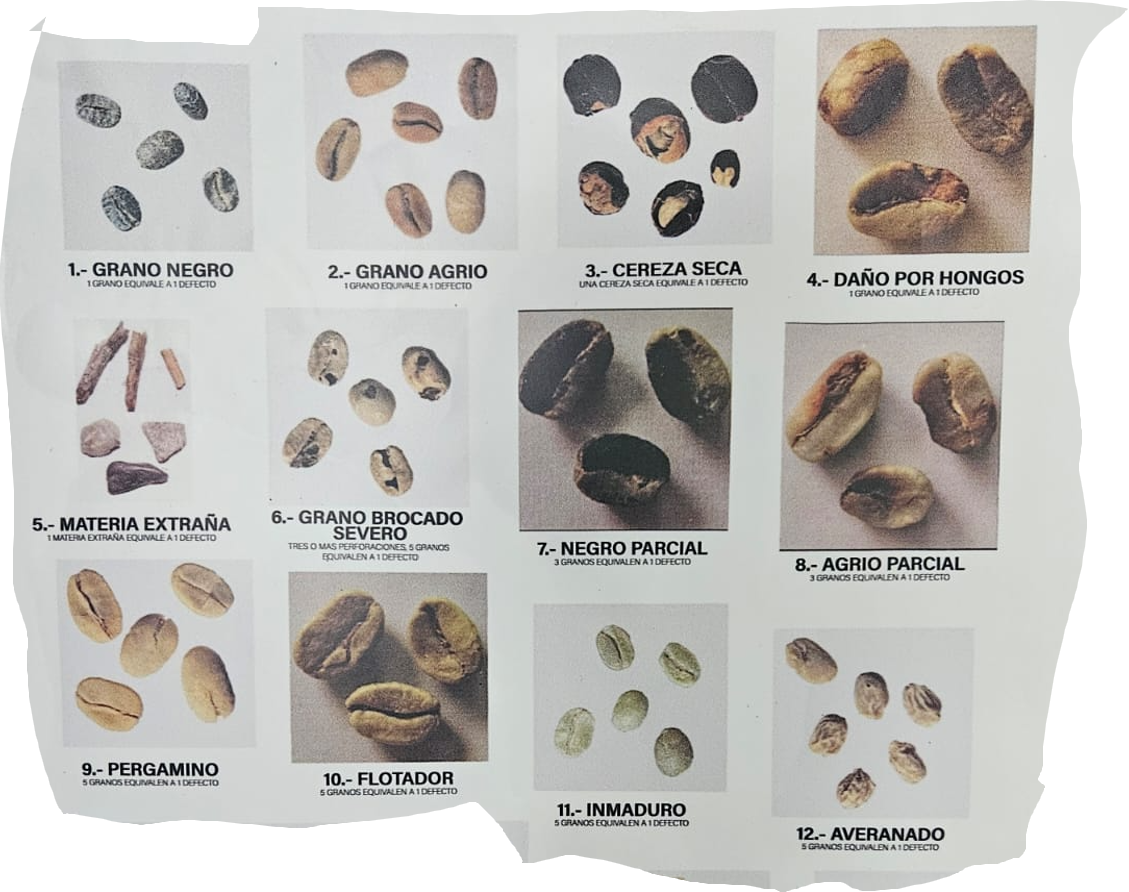
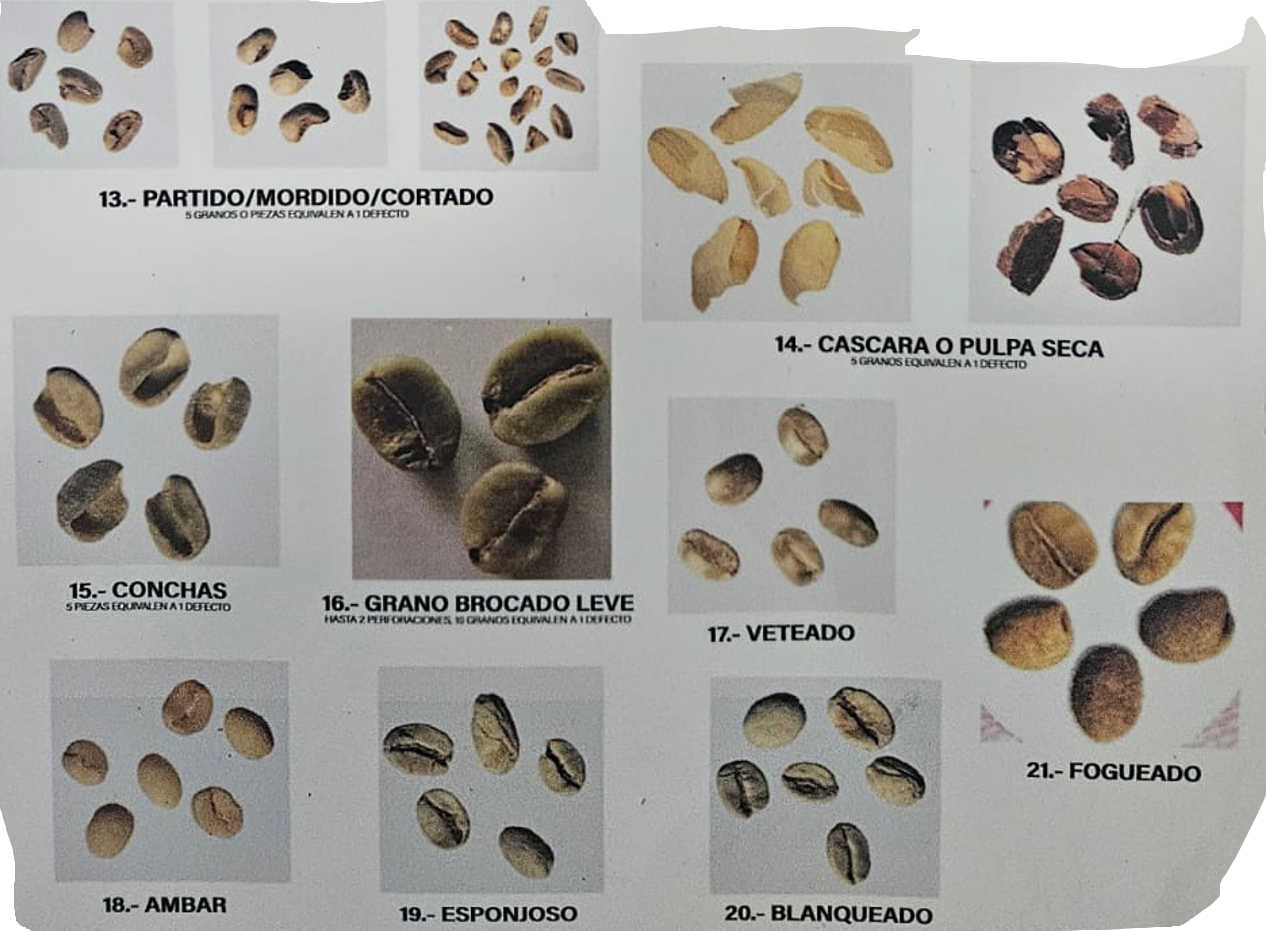
Coffee Defects 1 Coffee Defects 2
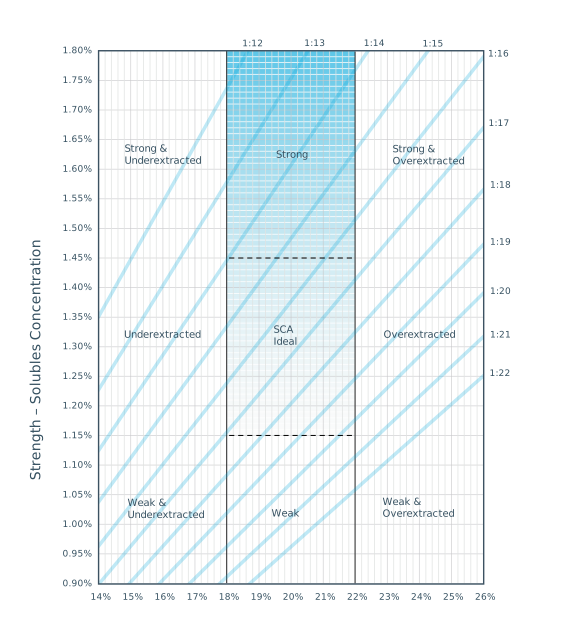
Ideal range for water hardness

The ideal range for water hardness.

1 / 17

Title

Action

The "Why"

Why text

Pro-Tip

Tip text

Adjustment

Extra text

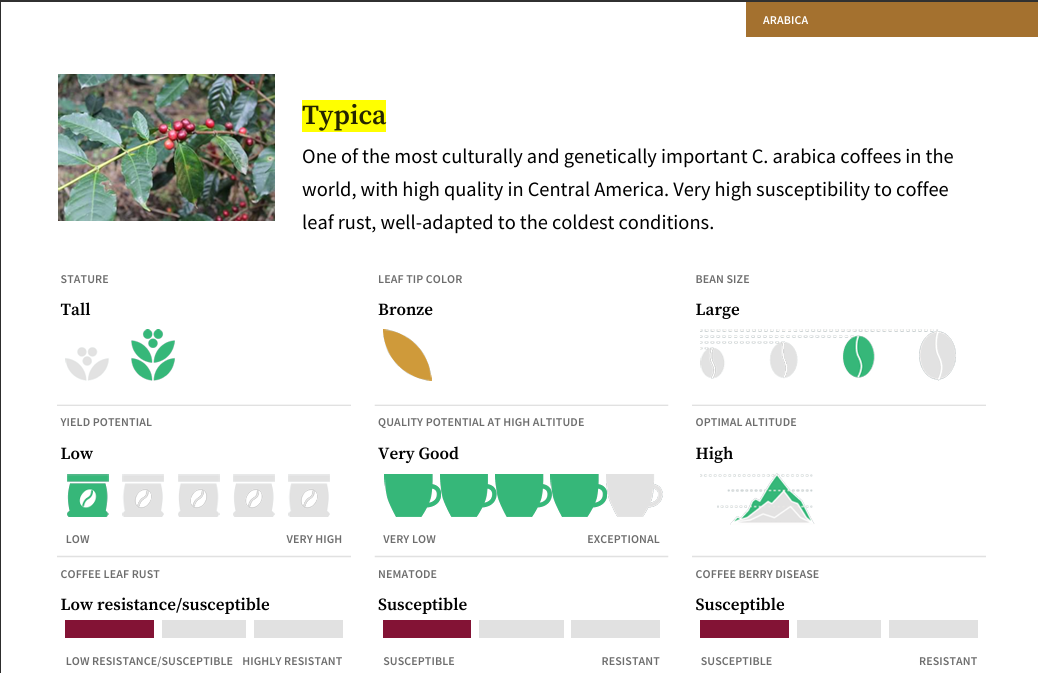
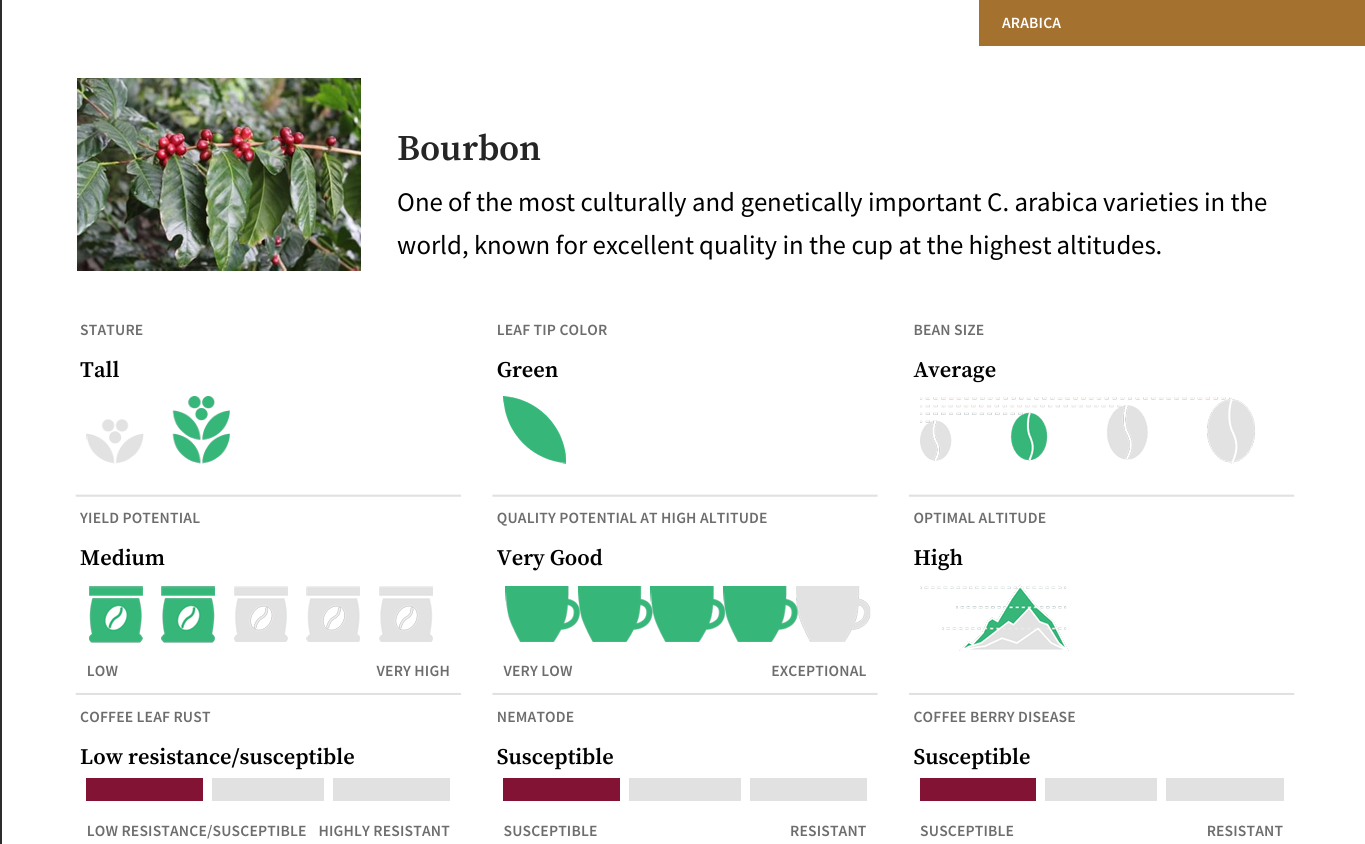
Arabica
Bourbon Branch

Bourbon

One of the most culturally and genetically important C. arabica varieties in the world, known for excellent quality in the cup at the highest altitudes.

Stature
Tall
🌿 🌿
Leaf Tip Color
Green
Bean Size
Average
Yield Potential
Medium
☕
☕
☕
☕
☕
Low Very High
Quality Potential At High Altitude
Very Good
Very Low Exceptional
Optimal Altitude
High
Coffee Leaf Rust
Low resistance/susceptible
Low Resistance Highly Resistant
Nematode
Susceptible
Susceptible Resistant
Coffee Berry Disease
Susceptible
Susceptible Resistant
01

Title

Action

The "Why"

Pro-Tip

Tweak Guide